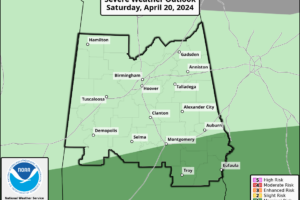
Saturday Briefing: Showers At Times Through the Weekend; Marginal Risk Up for Southern Locations
We’ll have to deal with showers at times through the weekend, but the work week ahead will be bright and dry.



We’ll have to deal with showers at times through the weekend, but the work week ahead will be bright and dry.
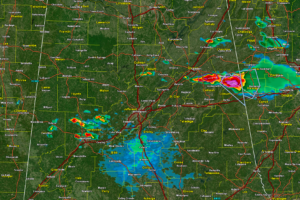
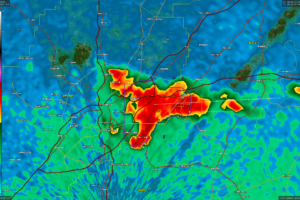
The NWS Birmingham has issued a significant weather advisory for the storm. Radar indicates that hail, potentially as large as 1 inch in diameter, could be approaching. Damaging wind gusts are also possible.
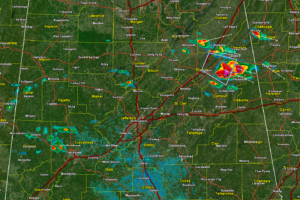
A severe thunderstorm watch is not anticipated, but loosely organized storms will occur throughout the afternoon and early evening across the I-59/I-20 corridor in Alabama. Strong wind gusts and marginally severe hail are possible with the stronger storms.
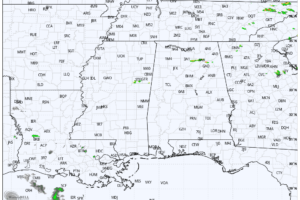
RADAR CHECK: A few isolated showers have formed over North Alabama this afternoon with a mostly cloudy sky, but much of the state is dry. Temperatures are in the 80s over South Alabama, where the sky is partly sunny.

Alabama’s independent record stores are alive and well, feeding that special feeling music lovers get when dropping a needle on a turntable to listen to some good old-fashioned vinyl.
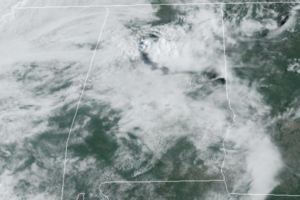
Today is featuring a mostly cloudy sky with a high in the low 80s. Like yesterday, a few scattered showers or storms are possible with the approach of a surface front, but many locations will remain dry.

Bring your chair or blanket and enjoy live blues at the annual Bob Sykes Barbecue and Blues Festival in Bessemer on Saturday, April 20, from noon to 8 p.m.
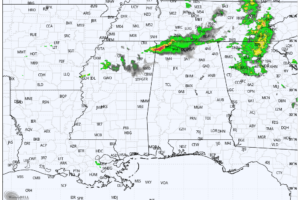
RADAR CHECK: A band of thunderstorms is moving through the northwest corner of Alabama early this morning; one storm was producing small hail over Colbert County just before sunrise. The rest of the state is mostly cloudy with temperatures generally in the 60s.
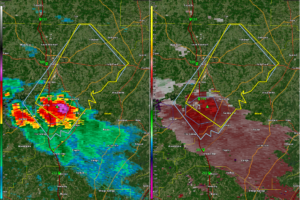
At 340 PM CDT, a severe thunderstorm was located near Dodge City, or 9 miles south of Cullman, moving northeast at 20 mph.

The victory is believed to be the first college national championship won by any team in any sport during its inaugural year of competition.
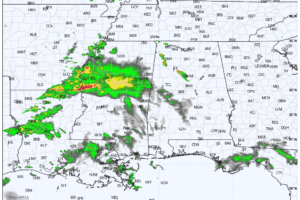
RADAR CHECK: While much of Alabama is rain-free, we note a few scattered thunderstorms over the northern counties at mid-afternoon. Showers and a few storms will remain possible through the evening, but they will be random and scattered, much like a summer day.
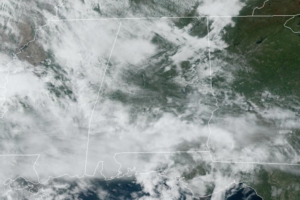
Another very warm April day across Alabama with temperatures surging into the mid and upper 80s. Showers and some storms are possible later today and into tonight ahead of a front that is slowly approaching the region.

A new podcast about electric vehicles (EVs), featuring experts from Alabama, released its first episode today, with more slated to hit streaming platforms in the coming weeks.


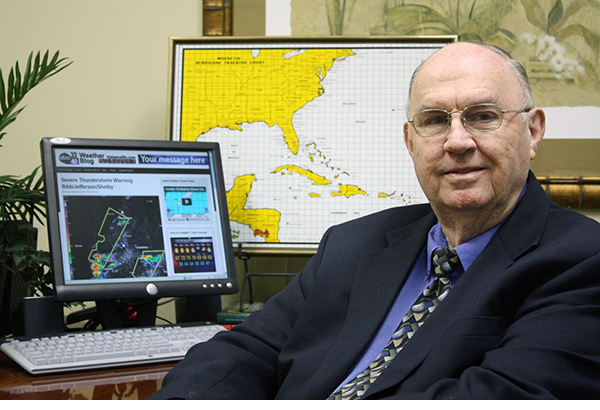 Our long time friend, mentor, and charter Weather Factory member, J.B. Elliott, passed away on May 11, 2015. Click HERE to read James' tribute.